CityLowry HillLowry Hill East (The Wedge)East IslesCedar-Isles-DeanBryn MawrGreater Uptown & Nearby
The Bus-Lane Debate: Why Hennepin Got Part-Time Lanes, Not 24/7
Public Works first recommended full-time bus lanes for Hennepin Avenue, but after a council fight and a mayoral veto the project settled on part-time lanes.
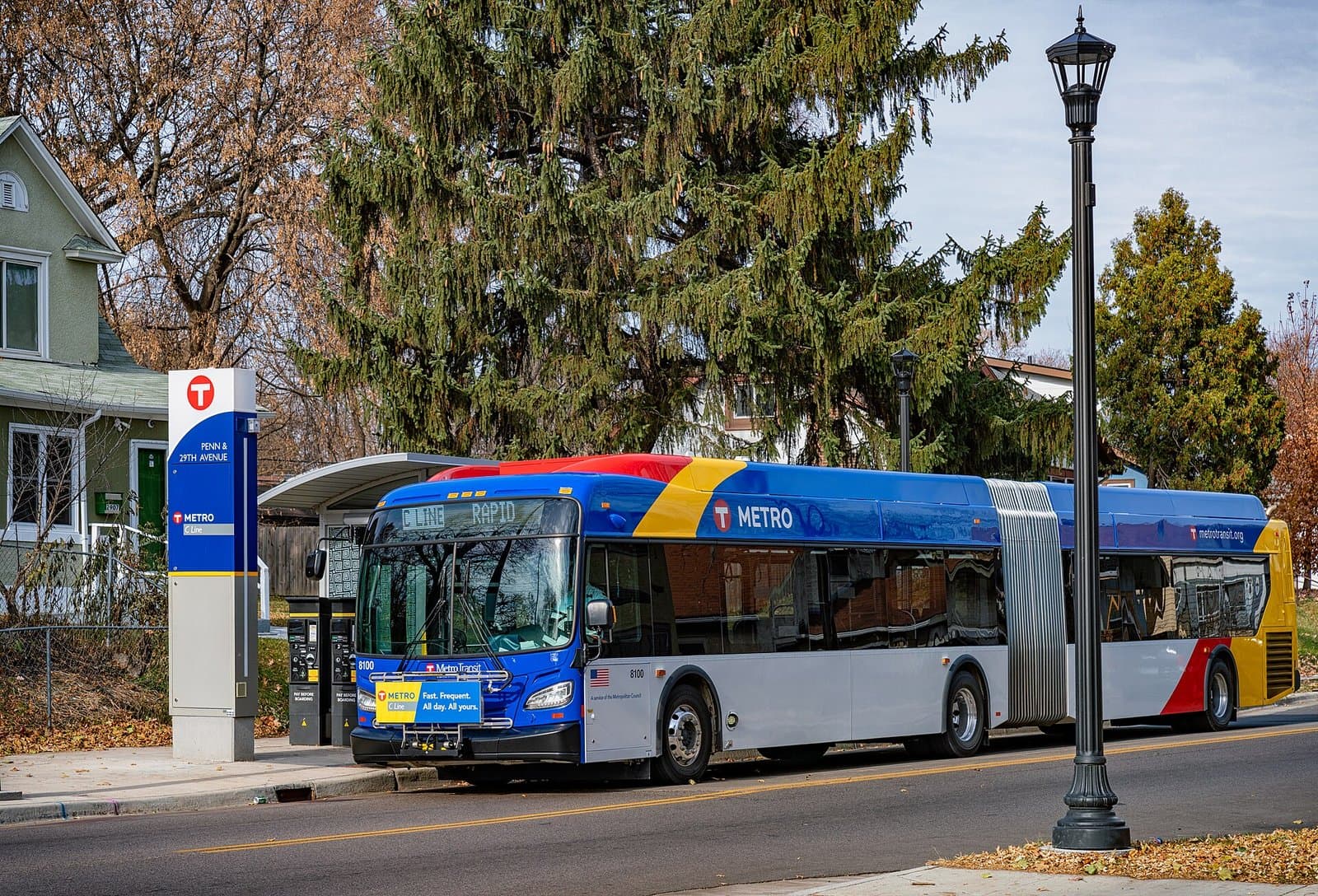
The sharpest fight over the Hennepin Avenue reconstruction was not whether to include bus lanes but how many hours they would operate. Minneapolis Public Works recommended full-time, dedicated transit lanes in its December 2021 layout, then shifted to a part-time "dynamic" design that would serve as bus lanes at some hours and parking or general traffic at others.
A majority of council members pushed back, wanting transit lanes reserved 24 hours a day. The dispute held up the project through the first half of 2022. The council approved a layout with full-time lanes, but Mayor Jacob Frey vetoed the resolution directing the city engineer to set the necessary parking restrictions, and the council fell short of the two-thirds needed to override him, voting 8-3.
The compromise that emerged from the Public Works and Infrastructure Committee in late July 2022 dedicated the lanes to transit priority for a minimum of six hours a day. The full project was approved 11-2, with council members Lisa Goodman and Robin Wonsley opposing.
The case for full-time lanes rested on reliability and equity. A lane reserved around the clock keeps buses, and the coming METRO E Line, moving regardless of traffic, and bus riders skew toward people without the option to drive. The case against came from some businesses and drivers worried that a full lane given to buses at all hours would worsen congestion, complicate deliveries and remove parking that corridor commerce depends on. Mumtaz Osman, who has run Osman Cleaners on Hennepin for 35 years, said the loss of parking and the one-lane-each-way layout left her fearing more congestion, not less.
For Wedge and Lowry Hill bus riders, the part-time compromise means transit priority during the busiest hours but not at the edges of the day. The design does not have to be permanent. With the corridor reopened Oct. 31 and the E Line running since Dec. 6, the lanes now generate real evidence, bus travel times, ridership and congestion, that either side can point to. Residents can weigh in through their council office and Metro Transit, and project materials remain on the city's Hennepin Ave S page.
CityLowry HillLowry Hill East (The Wedge)East IslesCedar-Isles-DeanBryn MawrGreater Uptown & Nearby
Related stories
City
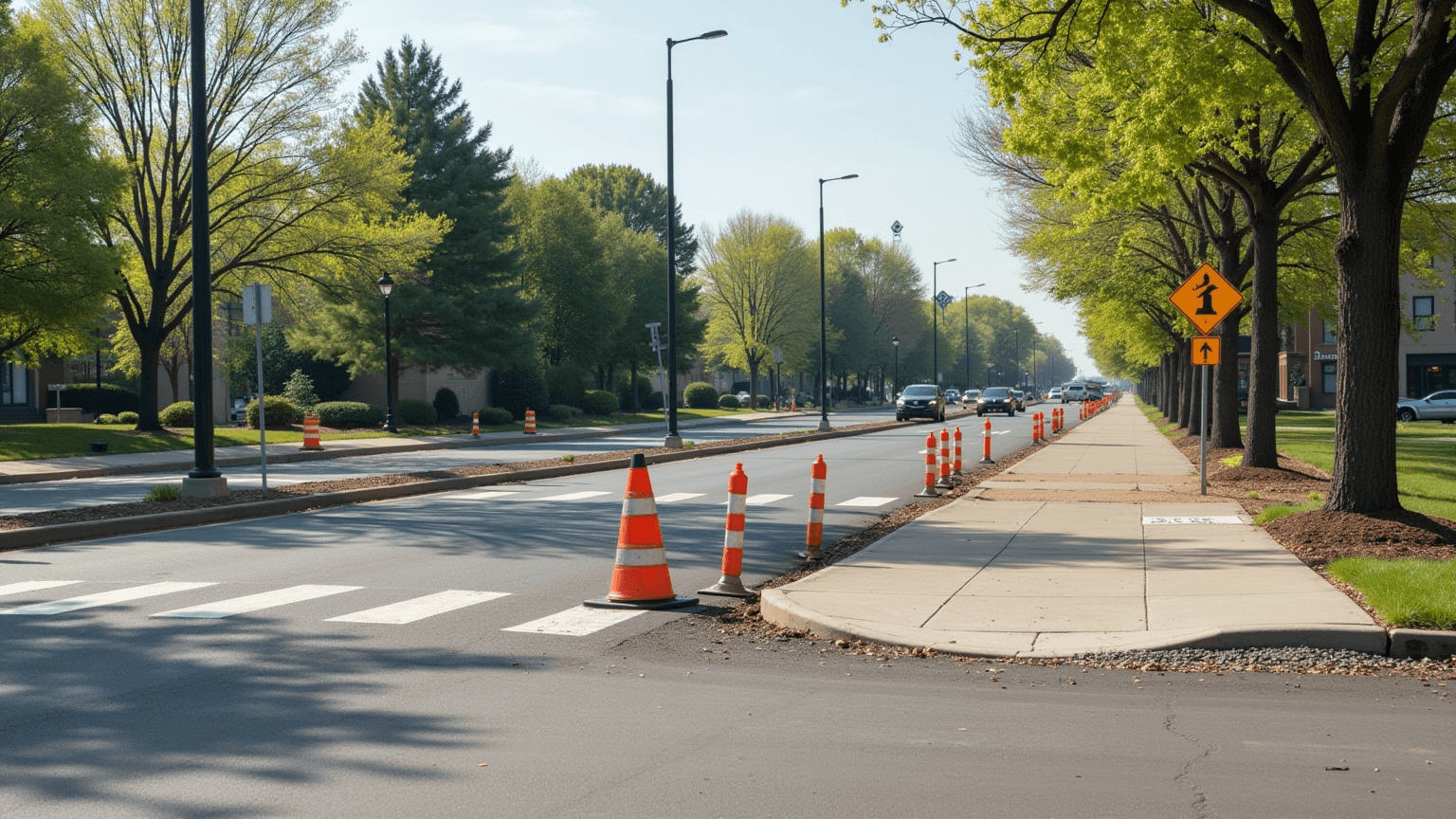
Parkway, intersection and pedestrian ramp improvements begin at Lake Harriet this year
Work to resurface Lake Harriet Parkway and improve the William Berry Parkway intersection will occur in phases starting in 2026.
City
Minneapolis Park and Recreation Board working on repairs at Northeast Ice Arena with goal of reopening in the fall
Minneapolis Park and Recreation Board plans to repair Northeast Ice Arena with a goal of reopening for the ice season this fall.
City
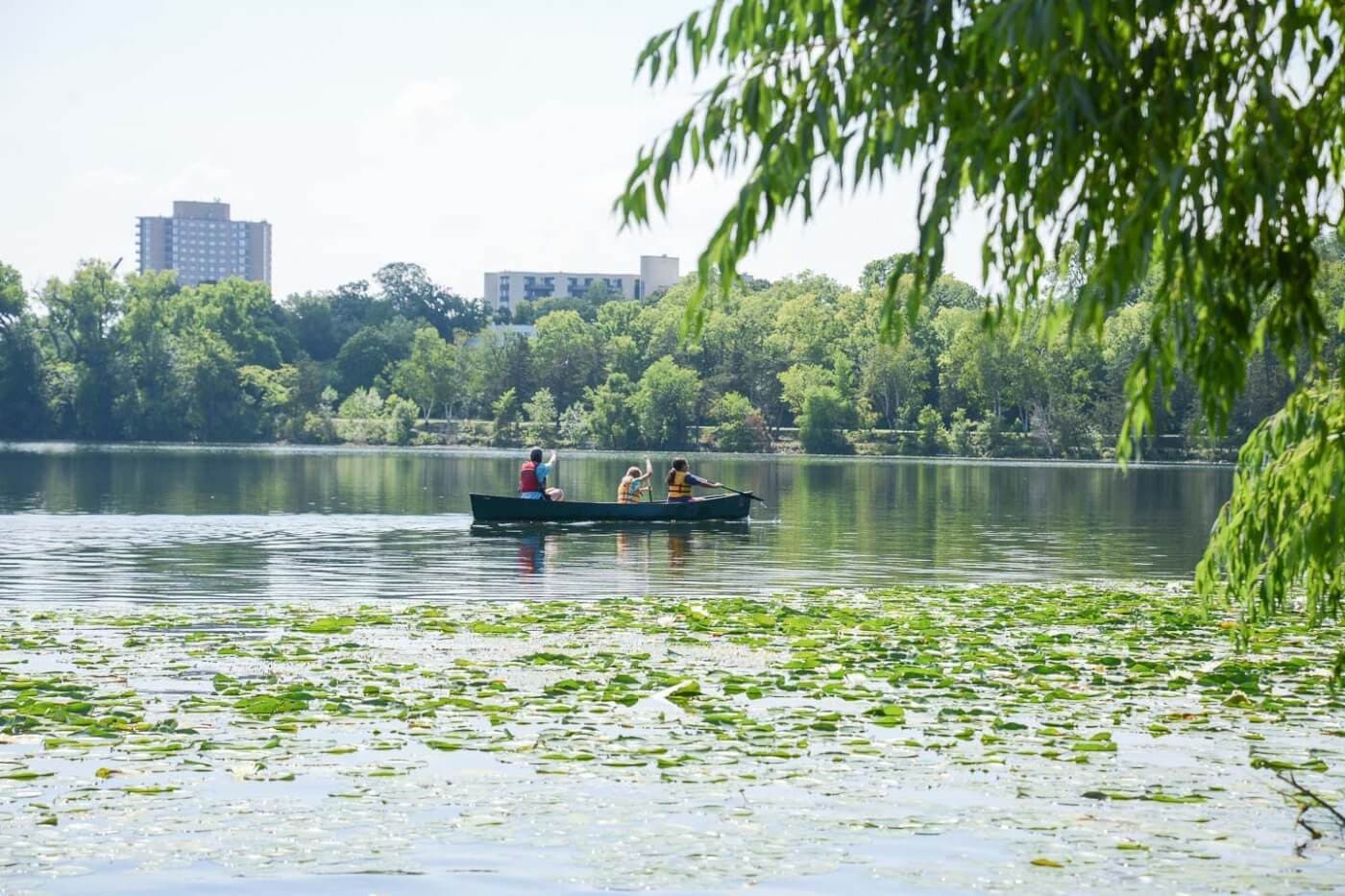
Algae at Minneapolis Lakes
The Minneapolis Park & Recreation Board issued an announcement about algae growth at city lakes following recent high temperatures.
The neighborhood, in your inbox
Free. No paywall. Pick the topics you want — we send what’s happening this week.