CityLowry HillLowry Hill East (The Wedge)East IslesGreater Uptown & Nearby
The E Line Launches, Replacing Route 6 With All-Day Rapid Buses
Metro Transit's E Line opened Dec. 6, 2025, replacing Route 6 on Hennepin Avenue with bus rapid transit that runs as often as every 10 minutes all day.
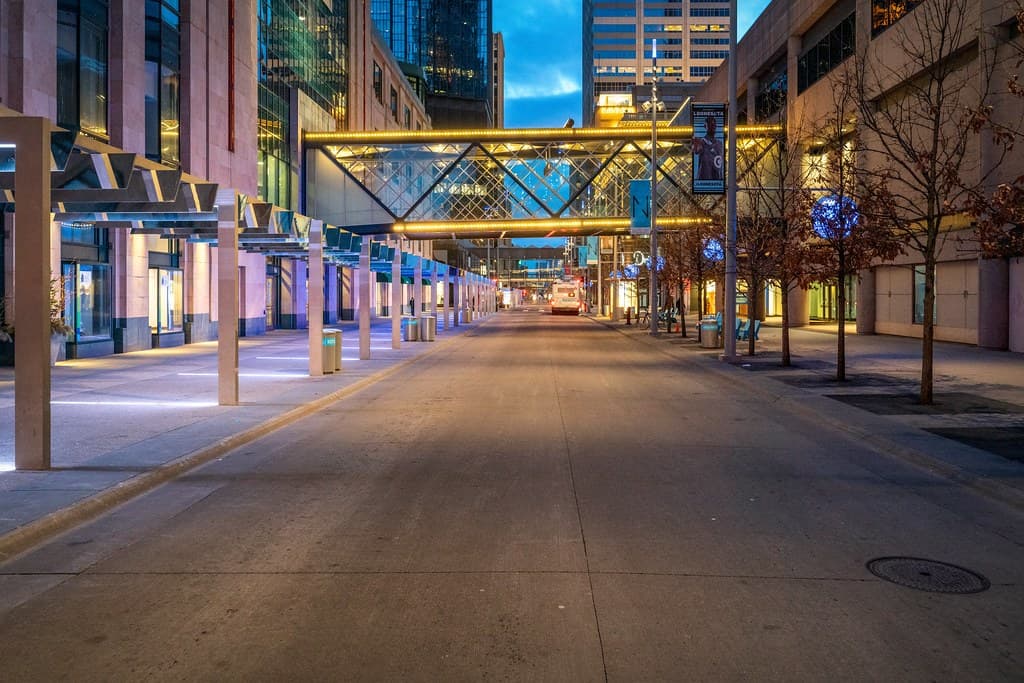
The METRO E Line opened Saturday, Dec. 6, 2025, bringing bus rapid transit to one of the busiest corridors in Minneapolis and retiring Route 6, the local bus that had served Hennepin Avenue for decades. For the neighborhoods along the lakes, it is the most significant transit change in years.
The line runs 13.3 miles, mainly along France, Hennepin and University avenues, linking the Southdale Transit Center in Edina to downtown Minneapolis, Uptown, the University of Minnesota and Westgate Station on the border with St. Paul. With 34 stations, it became the region's eighth bus rapid transit line and the last of three METRO BRT lines to open in 2025, after the Gold Line in March and the B Line on Lake Street in June.
It is an upgrade of one of Metro Transit's busiest local routes. Route 6 carried about 9,000 rides on an average weekday, the kind of high-ridership corridor that justifies the investment in rapid transit. Metro Transit says the E Line provides roughly 30 percent more service than the route it replaces.
The promise of bus rapid transit is frequency and speed. The E Line offers trips as often as every 10 minutes during the day, with service from 4:30 a.m. to 1 a.m. daily, so riders can show up at a station without checking a schedule. Metro Transit expects the line to run up to 20 percent faster on average than Route 6, helped by fewer and farther-spaced stations, off-board fare payment, level boarding, transit signal priority and more than three miles of dedicated bus lanes.
The stations are an upgrade as well, with heated and lighted shelters and real-time arrival displays, a meaningful difference on Hennepin Avenue in January. The $64 million project included more than $11 million in accessibility and safety improvements.
For Lowry Hill, set along the Hennepin corridor near the lakes, the line is a frequent, direct connection to downtown in one direction and to Uptown and the University in the other. The neighborhood sits on a transit spine that now runs at near-rail frequency all day, not just at rush hour. Metro Transit counts about 117,000 people living along the corridor, nearly two in 10 of them in households without a car.
The line arrived alongside a rebuilt Hennepin Avenue, which reopened in October 2025 after roughly two years of construction. For residents weighing whether to drive or ride, a bus that comes every 10 minutes on a street designed to carry it changes the calculation, which is what the E Line was built to do.
CityLowry HillLowry Hill East (The Wedge)East IslesGreater Uptown & Nearby
Related stories
City
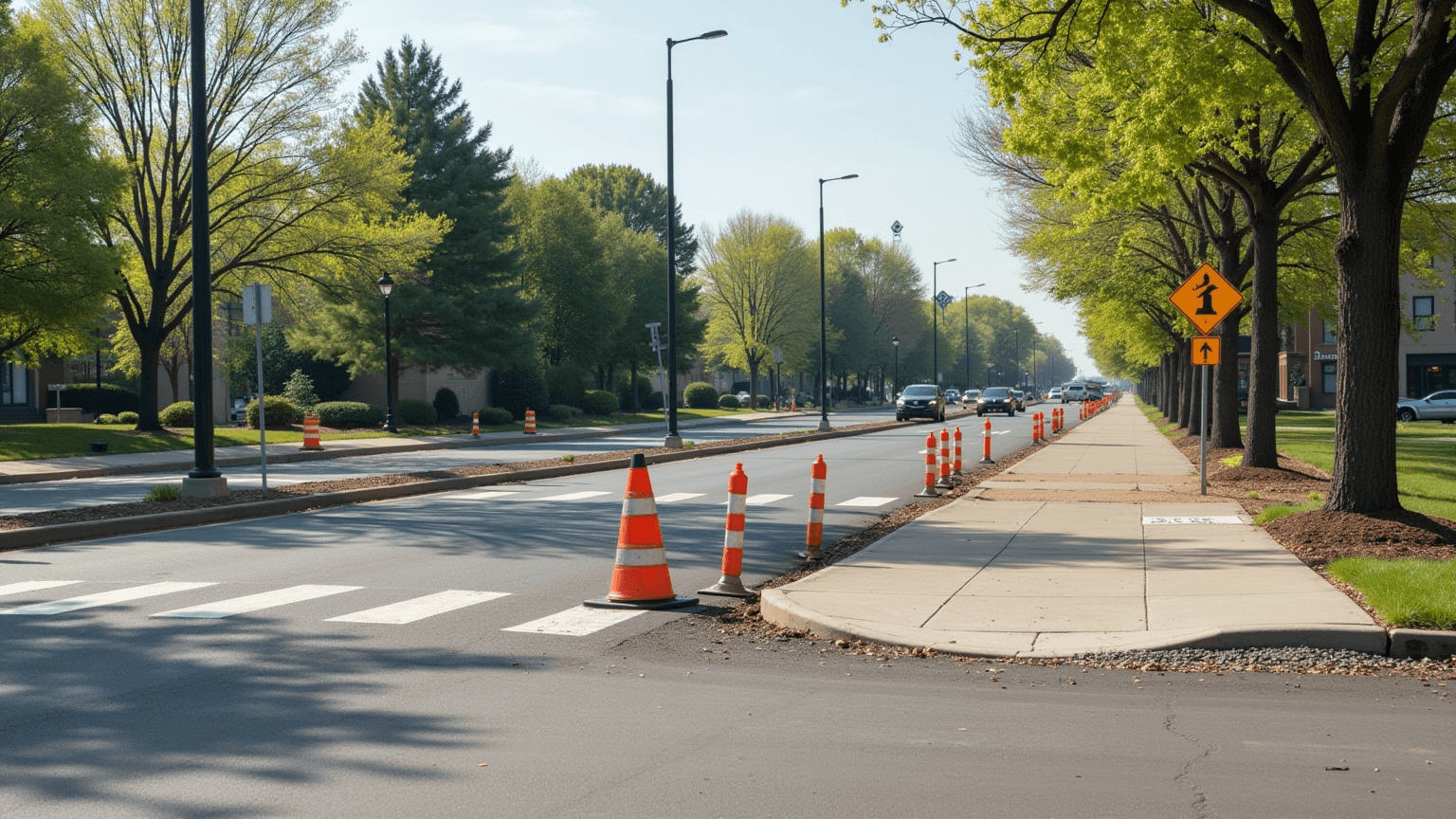
Parkway, intersection and pedestrian ramp improvements begin at Lake Harriet this year
Work to resurface Lake Harriet Parkway and improve the William Berry Parkway intersection will occur in phases starting in 2026.
City
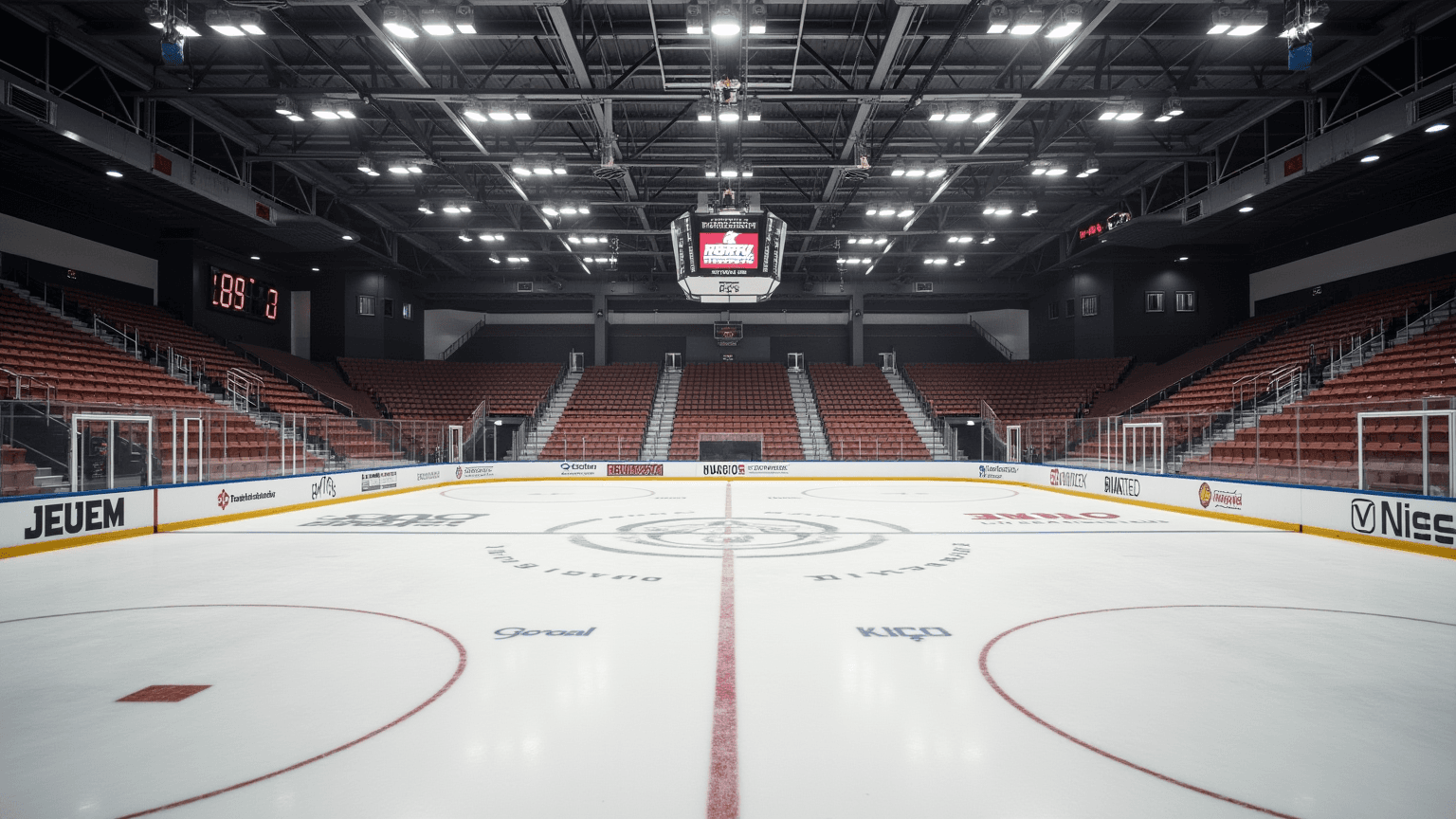
Minneapolis Park and Recreation Board working on repairs at Northeast Ice Arena with goal of reopening in the fall
Minneapolis Park and Recreation Board plans to repair Northeast Ice Arena with a goal of reopening for the ice season this fall.
City
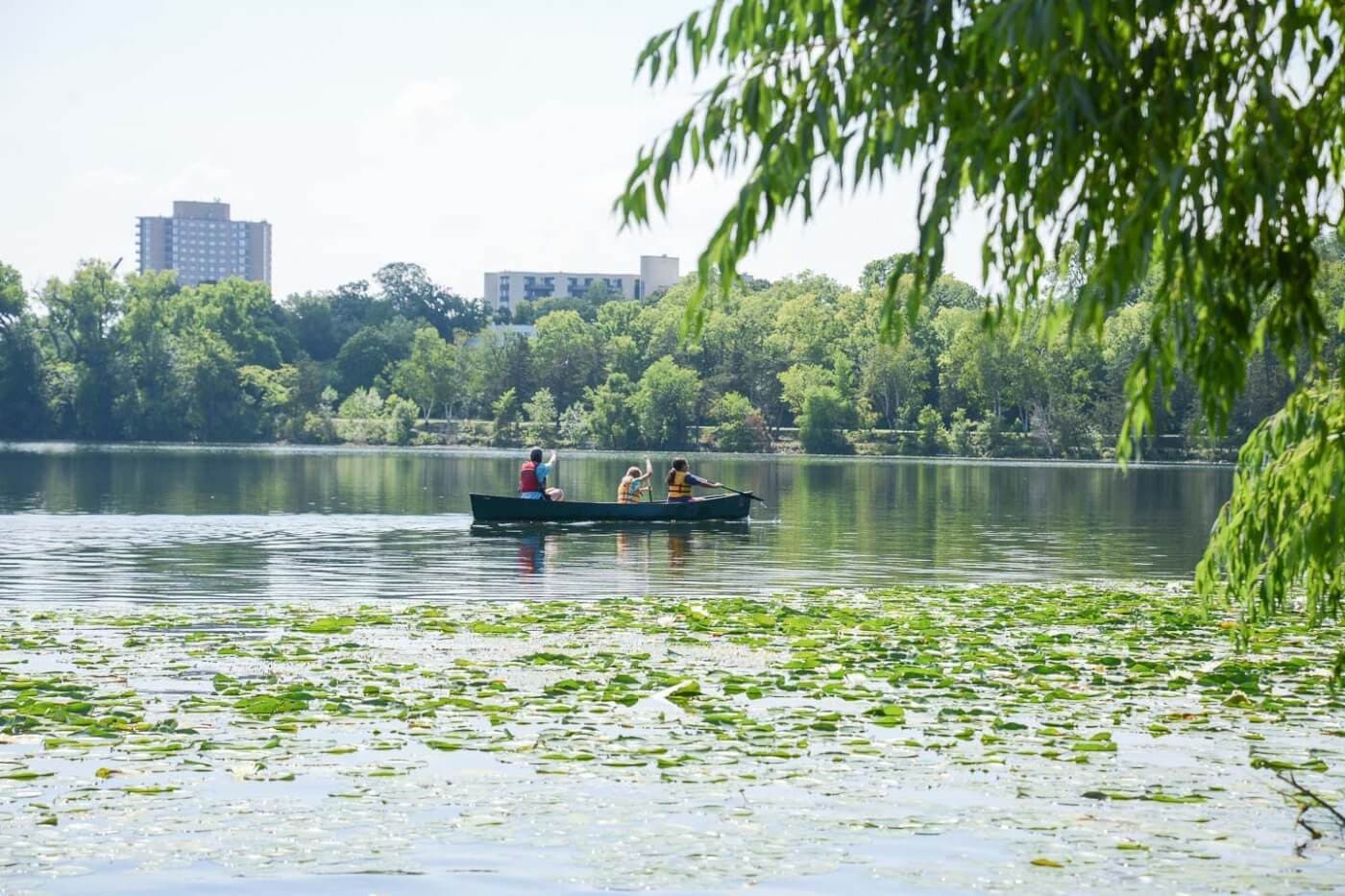
Algae at Minneapolis Lakes
The Minneapolis Park & Recreation Board issued an announcement about algae growth at city lakes following recent high temperatures.
The neighborhood, in your inbox
Free. No paywall. Pick the topics you want — we send what’s happening this week.