CityLowry HillGreater Uptown & Nearby
Hennepin Avenue Reopens, and the Bus Has a Home
Hennepin Avenue reopened Oct. 31 after roughly two years of reconstruction that built E Line stations into the street, and the bus rapid transit line began service Dec. 6.
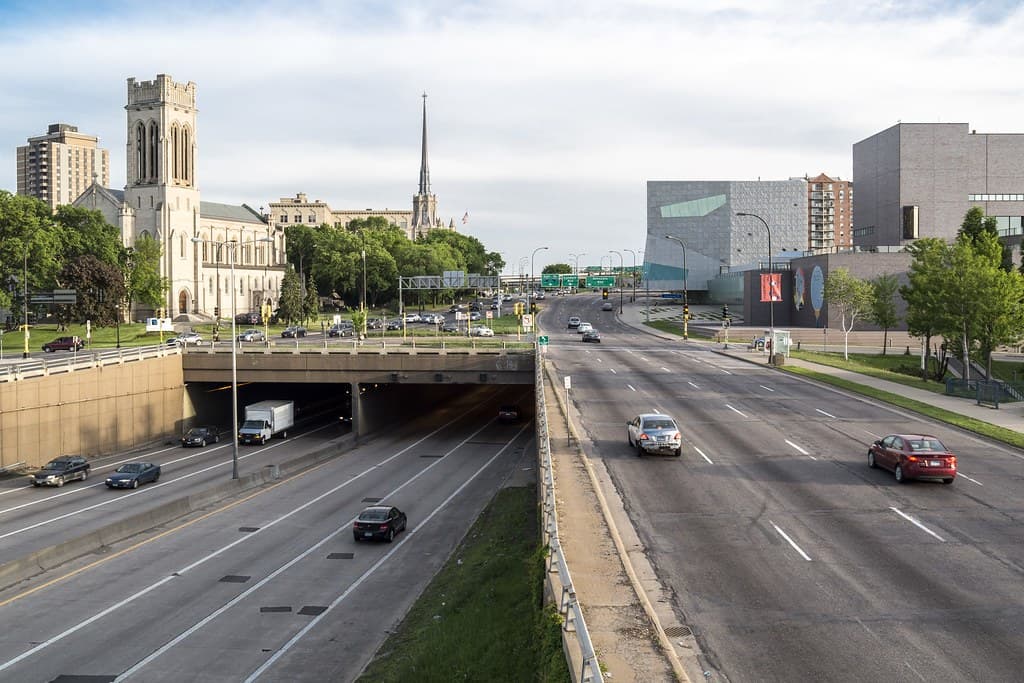
Hennepin Avenue South reopened Oct. 31 after roughly two years of reconstruction, and five weeks later the rebuilt corridor got the rapid-transit service it was designed to carry: the METRO E Line, which began running Dec. 6 and largely replaced Route 6.
The reconstruction, which began in spring 2024, closed and rerouted traffic on one of the city's signature commercial streets for the better part of two years. For the shops and restaurants along Hennepin through Uptown, it meant a long stretch of detours, dust and reduced foot traffic. The owner of Autopia auto repair, Stan Pryor, said the work cut his business by 60%. Mayor Jacob Frey, marking the reopening, called it "a renaissance" for the district.
The roughly $36 million rebuild was not just repaving. The street was designed to carry the E Line, with stations integrated into the corridor rather than tacked onto the curb afterward, which is part of why the work took as long as it did. Those enhanced stations, at stops including Hennepin and Franklin, Hennepin and 25th Street, and the Uptown Transit Station, include real-time arrival signs, ticket machines, lighting and heat.
The 13.3-mile E Line runs from the Southdale Center Transit Center in Edina to the Westgate station in St. Paul, connecting Linden Hills, Uptown, downtown and the University of Minnesota, and was funded by a $60 million state appropriation in 2021 ). Route 6 carried about 9,000 weekday trips before the switch; the E Line runs every 10 minutes during weekday midday hours, with the dedicated lanes, all-door boarding and signal priority meant to deliver train-like reliability.
A corridor rebuilt around rapid transit, with stations and the street designed together, gives the line a permanent home rather than a retrofit, the kind of fixed infrastructure that tends to anchor investment over time. For the businesses that weathered the construction, that permanence is the consolation: the disruption is over, the avenue is whole, and foot traffic now arrives partly by a frequent bus that stops out front.
CityLowry HillGreater Uptown & Nearby
Related stories
City
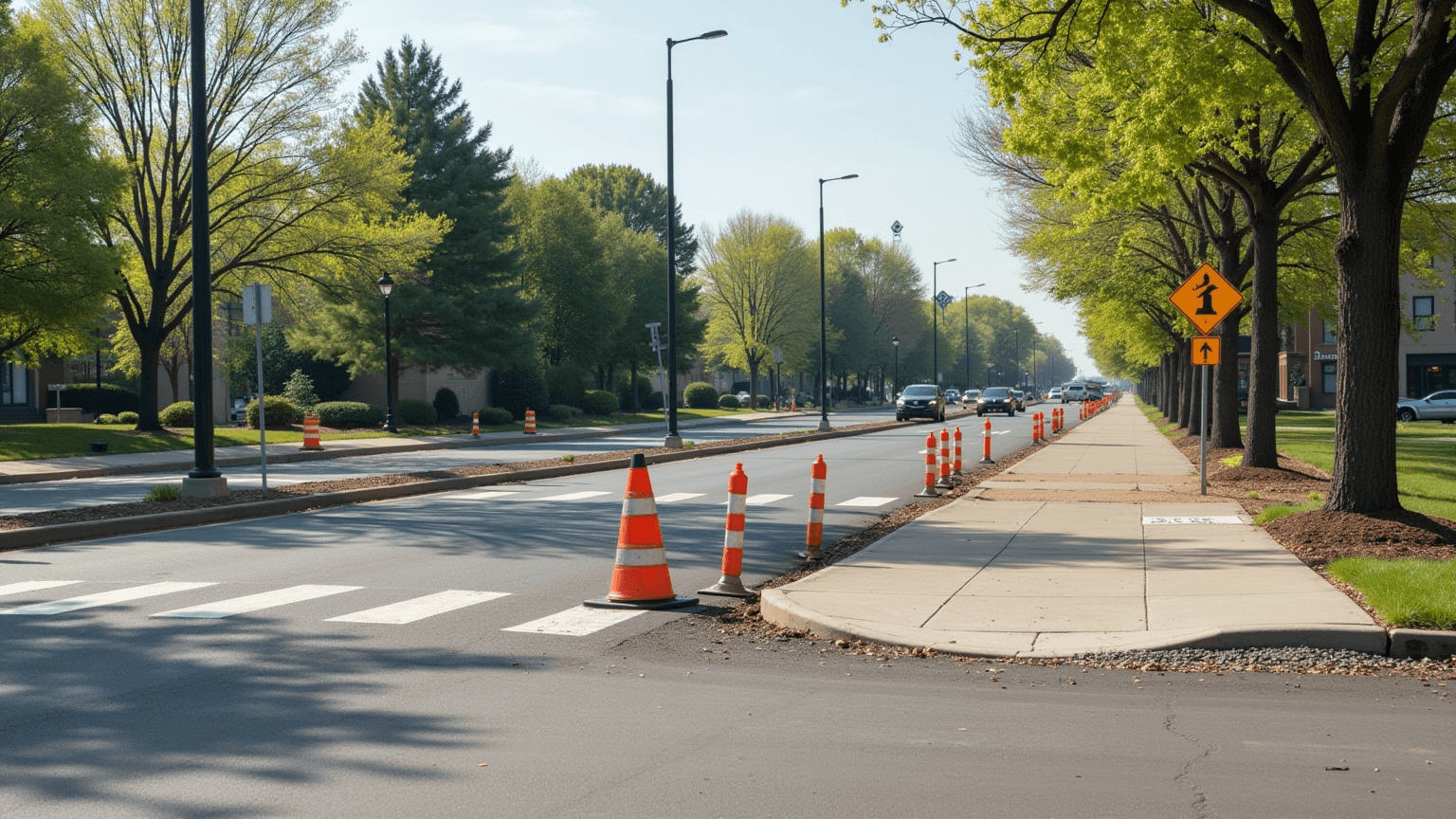
Parkway, intersection and pedestrian ramp improvements begin at Lake Harriet this year
Work to resurface Lake Harriet Parkway and improve the William Berry Parkway intersection will occur in phases starting in 2026.
City
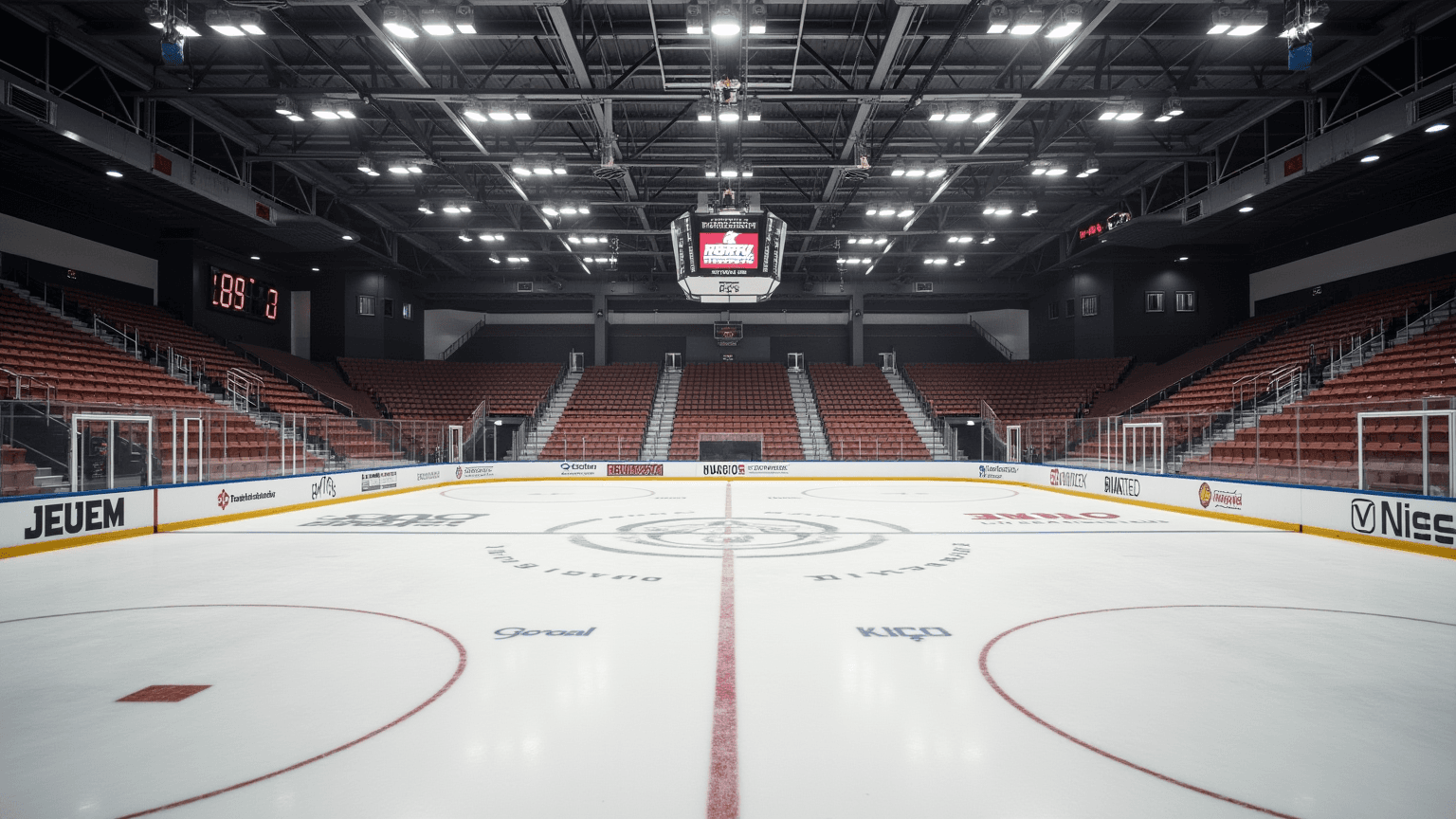
Minneapolis Park and Recreation Board working on repairs at Northeast Ice Arena with goal of reopening in the fall
Minneapolis Park and Recreation Board plans to repair Northeast Ice Arena with a goal of reopening for the ice season this fall.
City
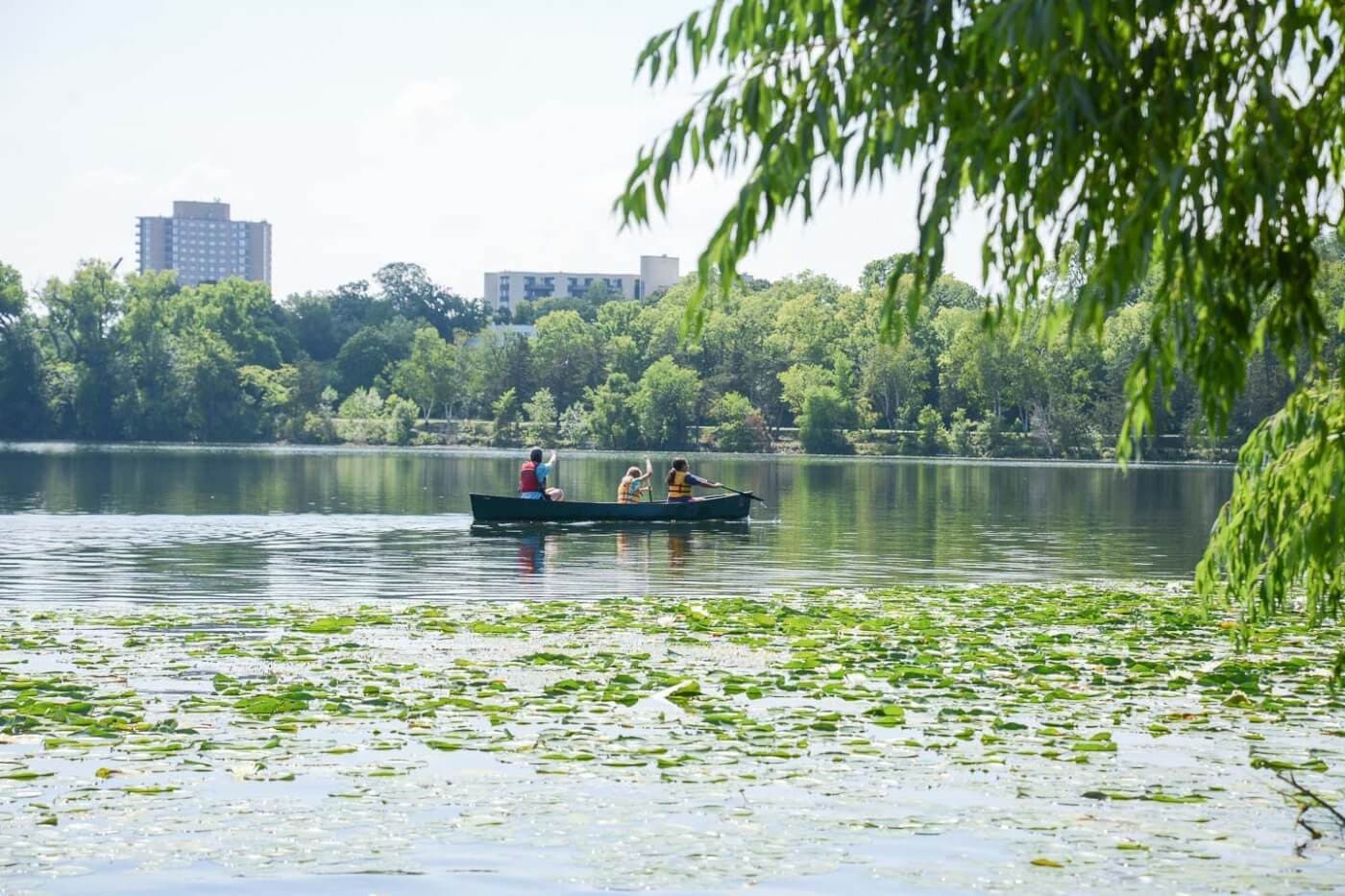
Algae at Minneapolis Lakes
The Minneapolis Park & Recreation Board issued an announcement about algae growth at city lakes following recent high temperatures.
The neighborhood, in your inbox
Free. No paywall. Pick the topics you want — we send what’s happening this week.